


Japanese Sake Guide | Discover Different Types of Sake

Japanese cuisine is not only known for sushi, sashimi, yakitori, and grilled eel, but also for its rich drinking culture. Among the most iconic beverages in Japan, sake holds a special place for its delicate flavors, craftsmanship, and deep connection to Japanese dining traditions.
From light and refreshing styles to complex and full-bodied varieties, each type of Japanese sake offers a different tasting experience. Whether you are new to sake or already enjoy Japanese alcohol pairings, understanding the different categories can help you appreciate Japanese dining even more.

At Unatoto Singapore, guests can enjoy Japanese comfort food together with carefully selected sake labels that pair well with grilled eel, donburi, and classic izakaya-style dishes.
Understanding Japanese Sake Classifications
Different types of sake are categorized based on ingredients, rice polishing ratio, and brewing methods. These factors influence the aroma, body, sweetness, and overall drinking experience.
Sake Type | Main Ingredients | Rice Polishing Ratio | Brewing Style |
Junmai Daiginjo | Rice & Koji | 50% or less | Slow fermentation at low temperature |
Daiginjo | Rice, Koji & distilled alcohol | 50% or less | Slow fermentation at low temperature |
Junmai Ginjo | Rice & Koji | 60% or less | Low-temperature fermentation |
Ginjo | Rice, Koji & distilled alcohol | 60% or less | Low-temperature fermentation |
Tokubetsu Junmai | Rice & Koji | 60% or less | Special brewing method |
Tokubetsu Honjozo | Rice, Koji & distilled alcohol | 60% or less | Special brewing method |
Junmai | Rice & Koji | No fixed standard | Traditional brewing process |
Honjozo | Rice, Koji & distilled alcohol | 70% or less | Traditional brewing process |
Learning about these classifications can help you choose a sake that matches both your taste preference and your meal at Unatoto Singapore.
1. Junmai-shu
Junmai-shu is one of the most traditional and widely enjoyed styles of Japanese sake. Made only from rice, water, koji mold, and yeast, Junmai sake does not contain added distilled alcohol. This creates a richer and more natural flavor profile that highlights the original character of the rice.
Junmai-shu is known for its balanced umami notes, mild acidity, and fuller body. It can be enjoyed chilled, at room temperature, or gently warmed depending on personal preference. At Unatoto Singapore, Junmai-shu pairs especially well with grilled unagi, donburi bowls, and savory Japanese dishes.

2. Honjozo-shu
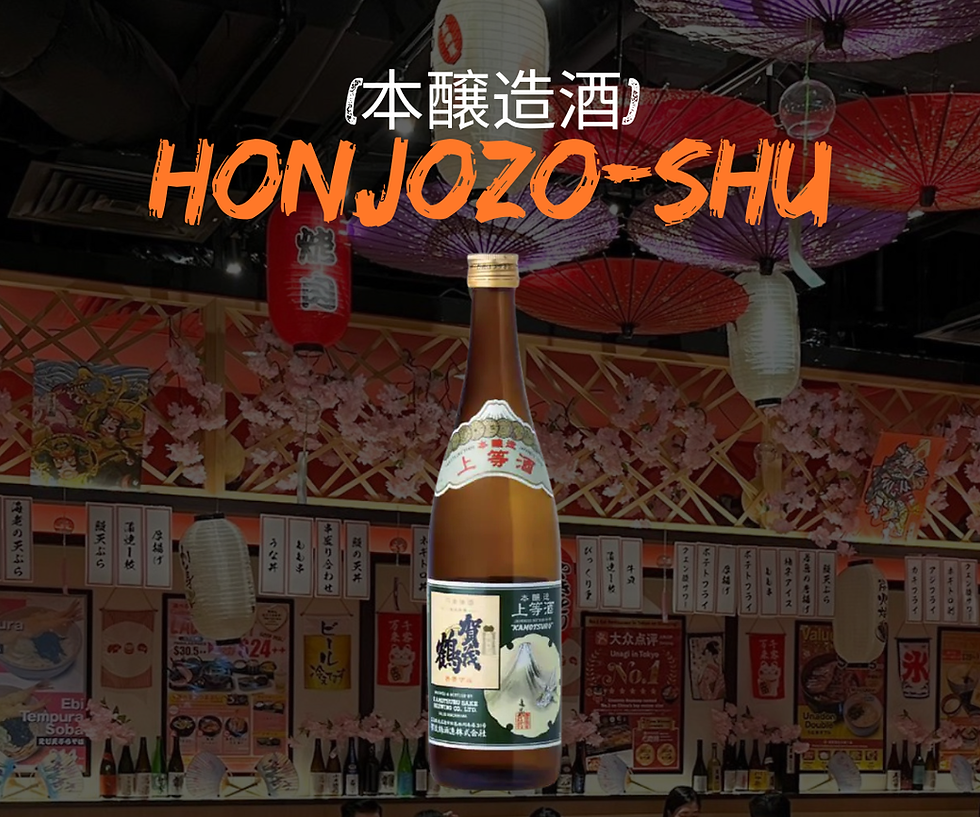
For guests looking for a lighter and smoother sake experience, Honjozo-shu is an excellent choice. This style includes a small amount of distilled alcohol added during brewing to enhance aroma and create a cleaner finish. The rice used is typically polished to at least 70%.
Compared to Junmai-shu, Honjozo-shu has a lighter body and a more refreshing taste, making it approachable for beginners. Served chilled, it complements tempura, grilled dishes, and izakaya-style food perfectly at Unatoto Singapore.

3. Ginjo-shu
Ginjo-shu is appreciated for its elegant aroma and refined brewing style.
The rice used for Ginjo sake is polished down to 60% or less, helping create delicate fruity and floral notes. Fermentation at low temperatures further enhances its clean and sophisticated character. Ginjo sake is commonly divided into:
Junmai Ginjo: brewed without added distilled alcohol
Ginjo: brewed with a small amount of distilled alcohol for enhanced aroma
This type of sake pairs beautifully with sashimi, seafood, and lighter Japanese dishes. Many guests at Unatoto Singapore enjoy Ginjo-shu alongside grilled fish and Japanese set meals.
4. Daiginjo-shu
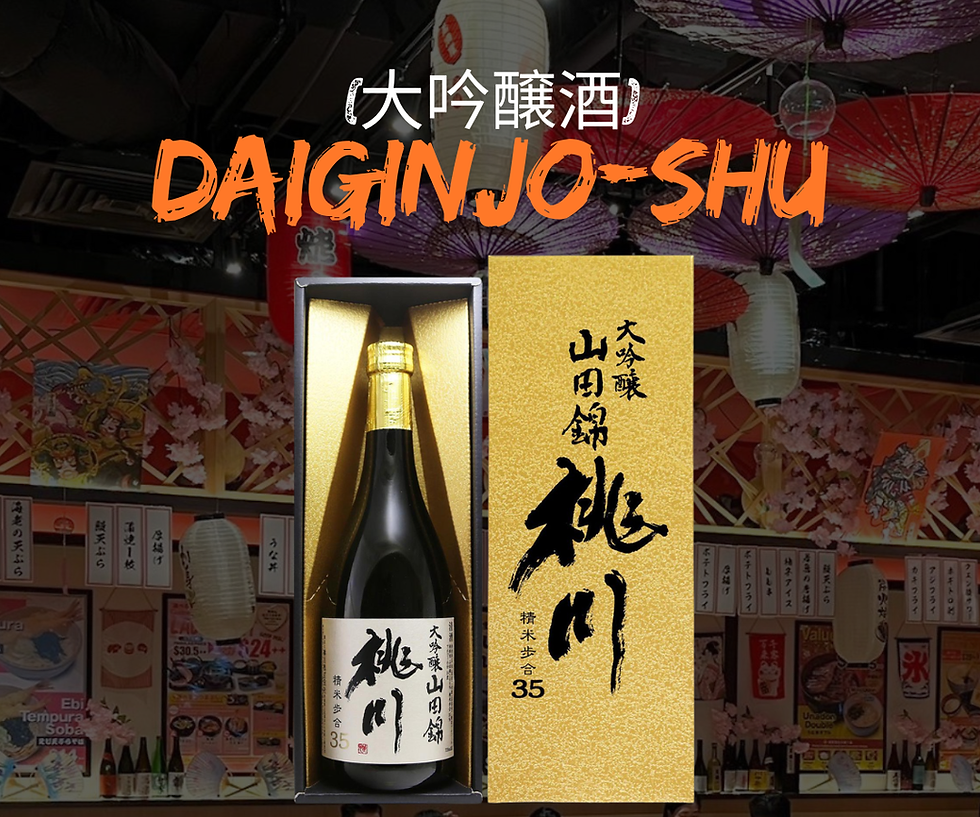
Daiginjo-shu is considered one of the highest-grade categories of Japanese sake. To produce Daiginjo, rice grains are polished down to 50% or less, requiring significant craftsmanship and time during brewing.
The result is an exceptionally smooth and elegant sake with delicate fruity aromas and a refined finish. Daiginjo-shu is ideal for special occasions or for guests who want to experience premium Japanese sake culture. At Unatoto Singapore, Daiginjo pairs well with sushi, sashimi, and lighter Japanese dishes where subtle flavors can shine.
5. Jizake
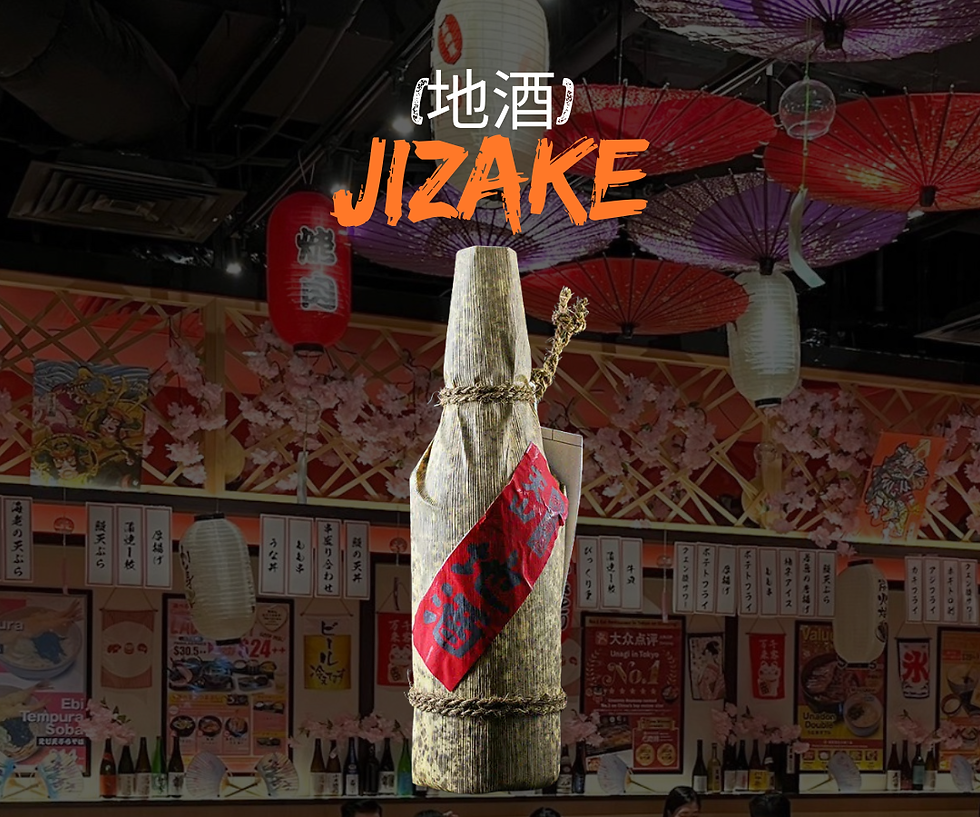
Jizake, often referred to as “local sake,” represents the regional character of different areas across Japan. Produced by local breweries, each bottle reflects unique ingredients, water quality, and brewing traditions specific to its region.
Some Jizake varieties are light and refreshing, while others are richer and more umami-forward. For sake lovers who enjoy exploring authentic Japanese craftsmanship, Jizake offers a deeper connection to Japan’s regional food culture.
6. Nigori
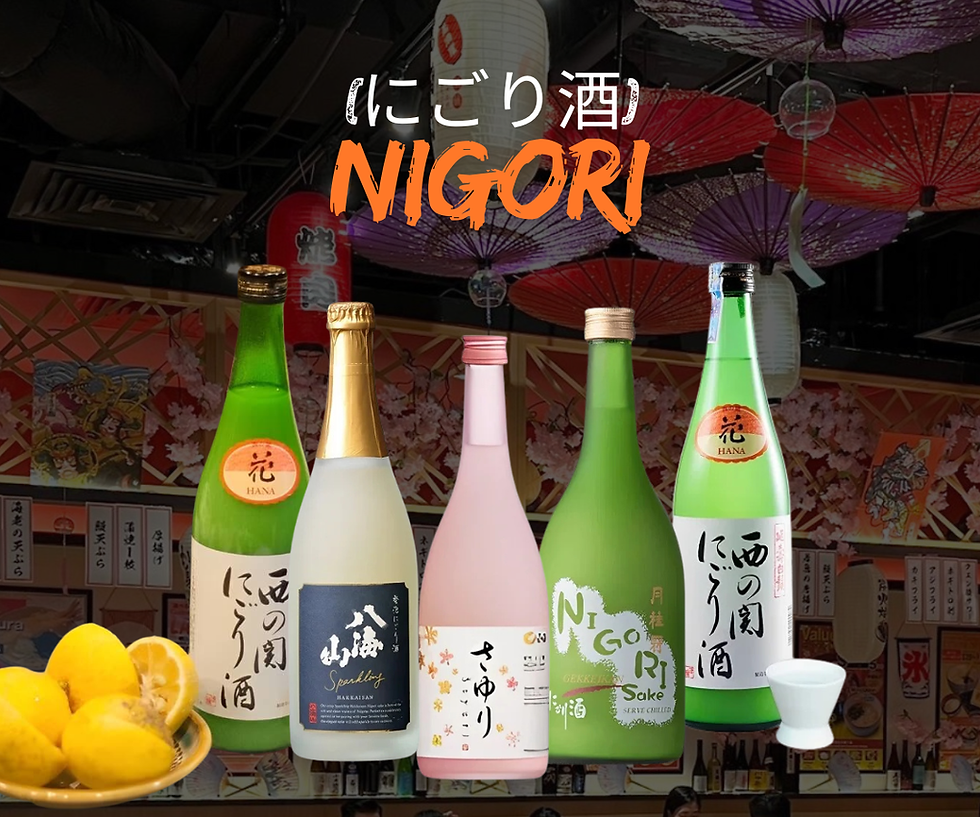
Nigori is easily recognized by its cloudy white appearance. Unlike clear sake, Nigori is lightly filtered, leaving behind some rice sediment that creates a creamy texture and slightly sweeter taste.
This style is smooth, approachable, and often recommended for guests trying sake for the first time. Served chilled, Nigori pairs nicely with spicy dishes, fried food, and grilled eel dishes at Unatoto Singapore.
7. Nama-zake
Nama-zake offers one of the freshest sake experiences available. Unlike most sake, Nama-zake is unpasteurized, which allows it to retain bright aromas and lively flavors. Because of this, it must always be kept refrigerated.
Nama-zake typically features refreshing fruity notes and a vibrant finish, making it especially enjoyable in Singapore’s warm climate. Served cold, it pairs beautifully with Japanese appetizers and lighter dishes at Unatoto Singapore.

8. Koshu
Koshu is aged sake with deeper and more mature flavor characteristics. After extended aging, Koshu often develops amber tones along with complex notes that may resemble caramel, dried fruit, or even certain Western aged spirits.
Compared to younger sake styles, Koshu has greater depth and richness, making it ideal for slow sipping. It pairs particularly well with grilled Japanese dishes and relaxed evening

dining experiences.
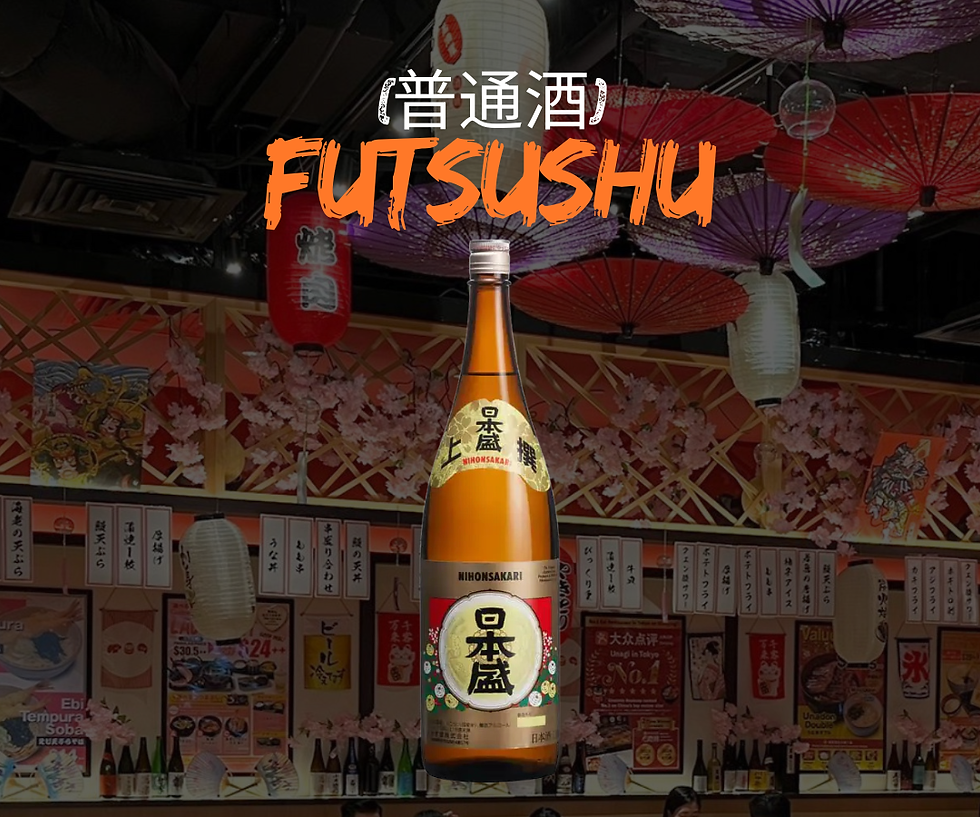
9. Futsushu
Futsushu is the most commonly consumed everyday sake in Japan. Often described as “table sake,” it is made with less strict polishing standards and focuses on accessibility and affordability.
Although it may not offer the same complexity as premium Ginjo or Daiginjo styles, Futsushu remains easy to drink and suitable for casual dining occasions. For beginners exploring sake for the first time, Futsushu can be a comfortable introduction.
10. Shiboritate
Shiboritate is freshly pressed sake bottled shortly after production. Because it undergoes minimal aging, this style retains youthful freshness and lively aromas. Some Shiboritate varieties offer crisp fruit-forward notes that resemble white wine when served chilled. Its refreshing character makes it a great option for guests who enjoy modern and approachable sake styles.

How to Choose the Right Sake for Japanese Food
Choosing the right sake depends not only on personal taste but also on the dishes being served. For sashimi, sushi, and seafood dishes, lighter styles such as Ginjo-shu or Daiginjo-shu are often recommended. For grilled eel, yakitori, or richer Japanese flavors, Junmai-shu and Koshu provide better balance and depth.
Meanwhile, Nigori and Nama-zake are excellent for guests who prefer smoother, refreshing, and easy-drinking styles. At Unatoto Singapore, many guests enjoy pairing sake with their meals to create a more complete Japanese dining experience.

Japanese Sake Fair at Unatoto Singapore
For guests looking to explore premium Japanese sake in a relaxed dining atmosphere, Unatoto Singapore is currently hosting a special Japanese Sake Fair. The promotion features three renowned Japanese sake labels:
Kubota
Dassai
Kokuryu
Each label offers a unique sake profile, ranging from clean and delicate to rich and layered flavors. To enhance the experience, guests who order their first bottle during the promotion will receive complimentary Japanese bites:
Karaage (Japanese fried chicken)
Umaki (Japanese eel omelette)
Wasabi edamame
From the second bottle onward, guests can also enjoy 20% OFF on the same featured sake selections. The combination of premium sake, charcoal-grilled eel, and Japanese comfort food creates the perfect atmosphere for after-work gatherings, casual dinners, or nights out with friends.
Whether you are already a sake enthusiast or simply curious to explore Japanese drinking culture, the Japanese Sake Fair at Unatoto Singapore offers an enjoyable way to discover new flavors.

Experience Japanese Dining and Sake at Unatoto Singapore
Japanese sake is incredibly diverse, with each style offering its own personality and pairing possibilities. From the rich umami of Junmai-shu to the elegant refinement of Daiginjo-shu, learning about sake can transform the way you experience Japanese cuisine.
At Unatoto Singapore, guests can enjoy authentic Japanese comfort food together with carefully selected sake in a welcoming and relaxed setting. If you are looking for a Japanese dining experience that combines grilled eel, izakaya favorites, and premium sake, Unatoto Singapore is a great place to begin your sake journey

Contact for Reservations:
Unatoto Guoco Tower
7 Wallich St, B1 - 03 Guoco Tower Singapore
Phone: +65 6015 0591
Facebook: Unatoto Singapore
Unatoto Novena Square
238 Thomson Rd, 01-84 Velocity@Novena Square, Singapore
Phone: +65 6909 7519
Facebook: Unatoto Novena Square
+ WEB: Unatoto Singapore
+ INSTAGRAM: Unatoto Singapore
+ TIKTOK: Unatoto Singapore
+ DELIVERY


Comments